Blown-in insulation is one of the most effective and efficient methods of insulating a home or commercial building, and Armour Hawthorne Insulation is proud to bring this service directly to homeowners and property managers throughout Hawthorne, California. This technique involves mechanically propelling loose-fill insulating material into attic spaces, wall cavities, and crawl spaces, creating a seamless thermal and acoustic barrier that dramatically reduces energy loss.
Hawthorne’s unique coastal climate — marked by marine layer humidity, mild but persistent temperature swings, and older housing stock dating back to the post-World War II aerospace boom — creates specific insulation challenges that require a knowledgeable local contractor. At Armour Hawthorne Insulation, we understand how Hawthorne’s microclimates, soil conditions, and building ages affect insulation performance. Whether your home sits near the flight path of Los Angeles International Airport or in a quiet pocket of the Bodger Park neighborhood, our team delivers blown-in insulation solutions engineered for this specific environment. Call us today at 424-487-4483.
Understanding Blown-In Insulation
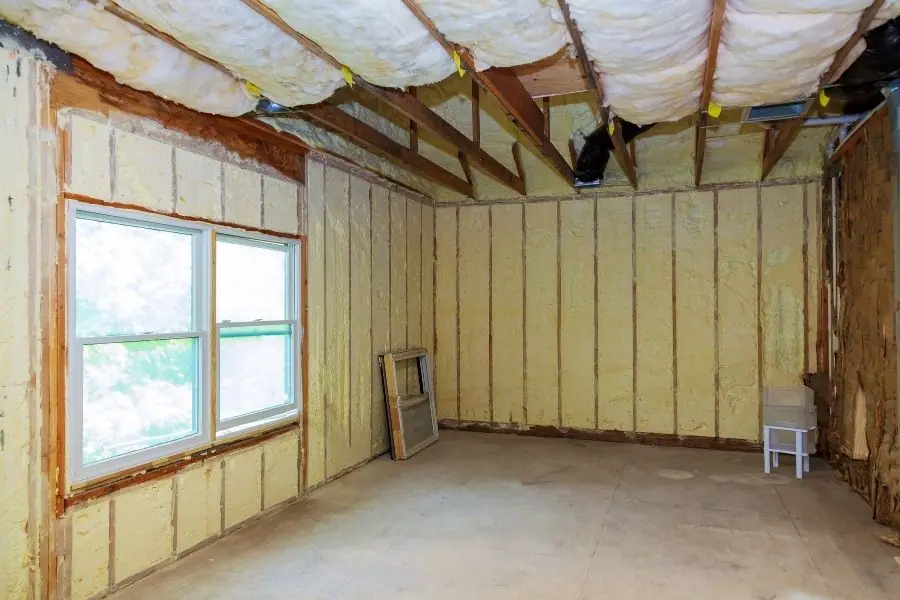
Blown-in insulation, also called loose-fill insulation, is a method in which insulating material is blown or sprayed into building cavities using specialized pneumatic equipment. The two most common materials used in this process are cellulose and fiberglass, though mineral wool is also an option in specific applications. Each material has distinct thermal properties, fire resistance ratings, and moisture behavior that influence which is best suited for a given project.
Cellulose blown-in insulation is made from recycled paper products treated with borate compounds for fire and pest resistance. It offers an R-value of approximately R-3.2 to R-3.8 per inch and is particularly effective at filling irregular spaces and reducing air infiltration. Fiberglass loose-fill, by contrast, provides R-2.2 to R-2.7 per inch and is highly resistant to moisture absorption, making it a strong choice in California’s coastal zones where humidity can be a concern.
Historically, blown-in insulation gained widespread adoption in the United States during the 1970s energy crisis, when homeowners and contractors recognized that attic heat loss was one of the largest contributors to excessive utility bills. In Southern California communities like Hawthorne, which saw enormous residential construction surges between 1945 and 1965 to support the growing aerospace workforce at Northrop and Hughes Aircraft, a vast number of homes were built with minimal or no insulation standards. Many of these homes — bungalows, ranch-style homes, and small duplexes — remain standing today with their original, severely degraded insulation or none at all.
Modern blown-in systems can achieve R-38 to R-60 attic insulation levels, which is the current recommendation for Climate Zone 10, where Hawthorne is classified by the California Energy Commission. This level of thermal resistance is critical for reducing the urban heat island effect that plagues densely developed areas like central Hawthorne. By retrofitting these aging structures with blown-in insulation, homeowners can dramatically cut heating and cooling costs without the need for invasive construction work, since the material can be installed through small access holes with minimal disruption to the living space below.
Blown-in insulation is also used in new construction where it offers superior coverage compared to batt insulation, particularly in attics with complex framing, HVAC equipment, and cross-bracing that makes laying rolls of fiberglass difficult or impossible. Learn more about our attic insulation services
Why Blown-In Insulation Is Needed in Hawthorne, CA
The Marine Layer and Coastal Humidity
Hawthorne sits approximately 4.5 miles inland from the Pacific Ocean and is directly influenced by the marine layer — a low-lying layer of cool, moist air that rolls in from the coast, particularly during the months of May through July, a phenomenon locals call “June Gloom.” This persistent humidity, which can push relative humidity levels to 85–90% during morning hours, accelerates the degradation of older insulation materials. Cellulose insulation that has absorbed moisture loses as much as 20–30% of its effective R-value, and fiberglass batts can trap moisture against wood framing, leading to mold growth and structural damage. Blown-in insulation applied correctly with appropriate vapor management addresses these concerns far more effectively than aging batts.
Temperature Variability and Diurnal Swing
While Hawthorne’s average annual temperature hovers around 63°F, the diurnal temperature swing — the difference between daily highs and overnight lows — can exceed 25°F on many inland-facing days, particularly in September and October when the Santa Ana wind pattern reverses the typical coastal flow. During the 2020 Labor Day heat event, temperatures in the South Bay, including Hawthorne, reached 108°F — an all-time record for many communities in the region. Homes without adequate blown-in attic insulation recorded interior temperatures 15–22°F higher than properly insulated homes during this event, according to energy auditors working in the area at the time.
Aging Housing Stock and Depleted Insulation
The majority of residential properties in Hawthorne’s core neighborhoods — including Holly Glen, Bodger Park, and the areas surrounding Prairie Avenue — were constructed between 1948 and 1965. These homes were built under California building codes that required no minimum insulation standard in attics, and many originally had only 2–3 inches of degraded rock wool or early fiberglass batt material. After 60-plus years of compression, pest infiltration, and moisture cycling, this original insulation may provide only R-5 to R-8 of thermal resistance, far below the California Energy Code’s current minimum of R-38 for attics in Climate Zone 10.
Airport Noise and Acoustic Insulation Needs
Hawthorne sits directly beneath several approach and departure flight paths serving Los Angeles International Airport, which processed over 75 million passengers in 2023. The Los Angeles World Airports noise contour maps show that portions of central and northern Hawthorne fall within the 65–70 dB Community Noise Equivalent Level (CNEL) contour. Blown-in cellulose insulation provides a Sound Transmission Class (STC) improvement of 4–6 points compared to empty cavities, offering meaningful acoustic relief for homes in these noise-impacted areas.
Urban Heat Island and Energy Costs
Hawthorne’s dense urban development, extensive asphalt surface coverage, and limited tree canopy in older residential blocks contribute to an urban heat island effect that raises ambient temperatures by 4–7°F above surrounding rural areas. This means air conditioning systems in Hawthorne must work harder and longer than in comparable inland cities. Southern California Edison reports that the average residential electricity bill in the 90250 ZIP code runs 18–22% above the statewide residential average during summer peak months. Proper blown-in attic insulation can reduce cooling loads by 30–40%, translating to hundreds of dollars in annual savings. Learn about our insulation removal services for older degraded material
Free, no-obligation estimates
Talk to Armour Hawthorne Insulation
Tell us what you need and we’ll take it from there.
Signs You Need Blown-In Insulation in Hawthorne
Energy and Comfort Warning Signs
- Monthly electricity bills consistently exceeding $180–$220 during summer months in a standard 3-bedroom Hawthorne home
- Rooms that feel noticeably warmer than others, particularly second-floor bedrooms or rooms directly below the attic
- Air conditioning running continuously for more than 6 hours during moderate 85°F days
- Cold floors during winter months, indicating inadequate crawl space insulation below
Visual and Physical Indicators
- Visible attic insulation that is compressed to less than 4 inches thick
- Insulation material that appears gray, matted, dusty, or water-stained when viewed through attic access hatch
- Drafts detectable near electrical outlets or light switches on exterior walls
- Ice dams or unusual condensation on interior ceiling surfaces during rare cold snaps
Structural and Pest-Related Signs
- Evidence of rodent nesting or pest activity within attic insulation (common in Hawthorne’s older wood-frame homes)
- Musty odors emanating from attic or crawl space, indicating moisture-compromised insulation
- Visible gaps between wall top plates and attic floor where air can freely pass
Urgency Indicator: If your home was built before 1978 and has never had insulation professionally assessed, schedule an inspection immediately — existing material may contain asbestos or lead-contaminated dust. Learn about our attic cleaning and preparation services
Blown-In Insulation Methods and Approaches
Cellulose Loose-Fill (Open Attic Application)
The most common method for Hawthorne attic upgrades. Recycled cellulose is blown to a minimum depth of 10.5 inches to achieve R-38 in open attic floors. This method excels in the dense, irregular framing typical of 1950s Hawthorne ranch homes where batt insulation cannot achieve full coverage. Cellulose also provides superior fire resistance due to borate treatment — an important consideration given Southern California’s elevated wildfire risk designation.
Fiberglass Loose-Fill (Moisture-Sensitive Applications)
Preferred for homes in Hawthorne’s lower-elevation areas near the Del Aire community, where crawl space moisture and marine air intrusion are more pronounced. Fiberglass loose-fill will not absorb water, preventing the R-value degradation that affects cellulose in high-humidity conditions. Requires a greater depth — approximately 16 inches — to achieve R-38.
Dense-Pack Wall Insulation
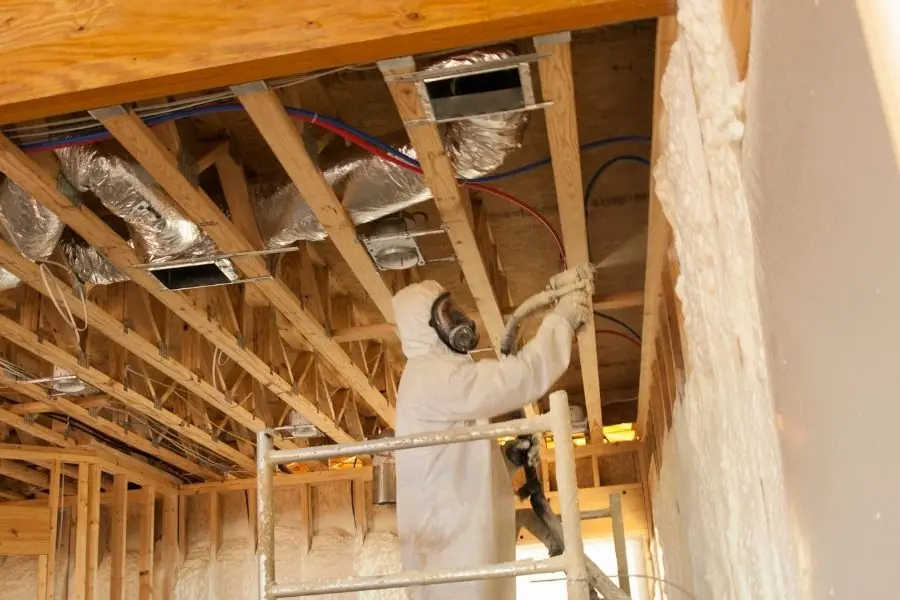
For older Hawthorne homes with uninsulated 2×4 stud walls, we drill small access holes (typically 1.5–2 inches in diameter) at the top of each stud bay and blow cellulose at high density (3.5 lbs per cubic foot) to completely fill the cavity without settling. This method is minimally invasive and allows insulation of existing walls without removing drywall or exterior siding.
Stabilized Blown-In (Spray-Applied Wet Cellulose)
Used in open wall cavities during renovation projects. A small amount of moisture activates the cellulose’s natural starch binders, causing it to adhere to framing and dry in place. This prevents fallout during drywall installation. Compare with our spray foam insulation options
Blown-In Insulation Cost in Hawthorne, CA
Understanding the cost of blown-in insulation helps Hawthorne homeowners plan their investment and evaluate the return in energy savings. Pricing in the greater Los Angeles South Bay market reflects both material and labor conditions specific to this region.
Typical Price Ranges
- Attic blown-in insulation (cellulose): $1.50–$2.50 per square foot installed, or $1,500–$3,500 for a typical 1,200–1,800 sq ft Hawthorne ranch home attic
- Attic blown-in insulation (fiberglass): $1.80–$2.80 per square foot installed
- Dense-pack wall insulation: $2.50–$4.50 per square foot of wall area
- Crawl space blown-in: $1,200–$2,800 depending on access conditions and square footage
Read moreShow less
Factors That Affect Your Blown-In Insulation Cost in Hawthorne
- Existing insulation removal: If old, contaminated, or pest-damaged insulation must be removed first, expect an additional $1,000–$2,500 depending on volume
- Attic access difficulty: Low-pitch rooflines common in Hawthorne’s 1950s homes can restrict technician movement and increase labor time
- Air sealing scope: Homes with significant air bypasses require more pre-installation labor, adding $300–$800 to total project cost
- Current insulation depth: Topping off existing R-11 insulation to R-38 costs less than starting from zero
Available Incentives
Southern California Edison’s Residential Energy Efficiency Rebate Program offers rebates of $0.10–$0.15 per square foot for qualifying attic insulation upgrades, which can reduce project costs by $120–$270 for a typical Hawthorne home. The federal Inflation Reduction Act also provides a 30% tax credit up to $1,200 for insulation improvements. Call 424-487-4483 for a personalized cost estimate.
Neighborhoods We Serve in Hawthorne
Bodger Park
One of Hawthorne’s most established residential enclaves, Bodger Park features predominantly 1950s–1960s single-family homes on tree-lined streets between El Segundo Boulevard and 120th Street. Many homes here have original rock wool attic insulation compressed to R-5 or less and are excellent candidates for full blown-in upgrades.
Holly Glen
Holly Glen, located in southwestern Hawthorne near Prairie Avenue, features a mix of mid-century ranch homes and post-1980 construction. The newer homes often have adequate wall insulation but degraded attic coverage, making targeted blown-in attic upgrades the most cost-effective solution.
Del Aire
This unincorporated community adjacent to Hawthorne’s northern border sits closest to LAX and experiences both elevated noise levels and moisture intrusion from the coastal plain. Homes here benefit most from fiberglass loose-fill blown-in and acoustic improvements. Learn more about our fiberglass insulation services
Ramona/Eucalyptus Area
Central Hawthorne’s older stock near Ramona Avenue includes several multi-unit dwellings from the 1940s–1960s with shared attic spaces requiring specialized access and zoned installation approaches.
Blown-In Insulation Maintenance Tips for Hawthorne Homeowners
- Inspect attic depth annually: Use a flashlight and ruler at your attic access hatch each fall to verify insulation has not settled significantly below the installed depth. Blown-in cellulose can settle 10–20% in the first two years.
- Check for moisture staining after marine layer season: Each July, inspect attic insulation for dark staining or clumping that indicates moisture infiltration from coastal humid air.
- Maintain attic ventilation: Ensure soffit and ridge vents remain clear. Blocked ventilation in Hawthorne’s low-pitch ranch homes accelerates moisture buildup in insulation.
- Seal attic penetrations after any HVAC work: New equipment installations often disturb air sealing. Reseal around any new penetrations promptly.
- Monitor for rodent activity: Roof rats are common in Hawthorne’s mature-tree neighborhoods. Early detection prevents nest damage to insulation. Learn about our rodent proofing services
- Avoid compressing insulation: Do not store items directly on blown-in attic insulation. Use attic flooring boards raised above the insulation surface.
- Schedule a professional assessment every 10 years: Insulation performance degrades over time, particularly in Hawthorne’s humidity-cycling environment.
Why Choose Armour Hawthorne Insulation
Armour Hawthorne Insulation is a professional insulation contractor focused exclusively on serving the Hawthorne, California community and surrounding South Bay neighborhoods. Our technicians are trained specifically in the insulation challenges unique to Hawthorne’s aging housing stock, coastal climate, and urban heat island conditions — not just generic installation procedures.
We bring specialized knowledge of California Energy Code Climate Zone 10 requirements, LAX noise impact zones, and the specific building techniques used in the post-war construction era that dominates Hawthorne’s residential landscape. Every project begins with a thorough assessment rather than a one-size-fits-all approach.
Read moreShow less
Our team uses professional-grade blowing equipment calibrated to deliver consistent, code-compliant insulation depth on every installation. We document our work with photos and depth measurements so you have a verifiable record of the R-value achieved.
We also offer a full suite of complementary services — including insulation removal, attic cleaning, rodent proofing, and crawl space insulation — so we can address every component of your home’s thermal envelope in a single, coordinated project. Call us at 424-487-4483 to schedule your free assessment today.
FAQ
Frequently Asked Questions: Blown-In Insulation in Hawthorne, CA
How much does blown-in insulation cost in Hawthorne, CA?
The typical cost for blown-in attic insulation in Hawthorne ranges from $1,500 to $3,500 for a standard 1,200–1,800 square foot attic, depending on the material used, existing insulation conditions, and the amount of air sealing required. Dense-pack wall insulation costs $2.50–$4.50 per square foot. Southern California Edison rebates and federal tax credits can offset 30–40% of total project cost in many cases. Contact us at 424-487-4483 for a free, no-obligation estimate specific to your Hawthorne property.
How long does blown-in insulation installation take in a typical Hawthorne home?
For a standard Hawthorne ranch home with a 1,200–1,500 square foot attic, the complete installation process — including assessment, air sealing, and blown-in application — typically takes 4–7 hours in a single day. Larger homes or projects requiring extensive pre-installation work may require two days. There is no curing time required; your home is fully functional immediately after installation.
Is blown-in insulation better than batt insulation for older Hawthorne homes?
In most cases, yes. The 1950s and 1960s ranch homes that dominate Hawthorne’s Bodger Park and Holly Glen neighborhoods have attic framing with HVAC equipment, cross-bracing, and electrical conduit that makes batt installation difficult to achieve without gaps. Blown-in insulation conforms to these obstacles and achieves 100% cavity fill, eliminating the thermal bridging and air leakage that batt insulation often leaves behind in these building types.
Will blown-in insulation help reduce noise from LAX flight paths in Hawthorne?
Blown-in cellulose in attic and wall cavities does provide meaningful acoustic improvement. Attic insulation reduces airborne sound transmission through the roof assembly, and dense-pack wall insulation can improve STC ratings by 4–8 points. While blown-in insulation alone will not achieve the full acoustic treatment recommended for homes in the 65+ dB CNEL noise contour near LAX, it is a cost-effective first step that also delivers substantial energy savings.
How do I know if my Hawthorne home’s existing insulation needs to be removed before adding blown-in?
Removal is recommended when existing insulation shows evidence of rodent contamination, mold, significant moisture damage, or suspected asbestos content (common in homes built before 1978 that may contain vermiculite or early spray insulation). If existing material is simply old and compressed but otherwise clean, blown-in can often be added directly on top. Our free assessment will determine which approach is appropriate for your specific situation. Learn about our professional insulation removal service
What R-value do I need for my Hawthorne home’s attic?
The California Energy Commission classifies Hawthorne in Climate Zone 10. For existing homes, Title 24 and the Energy Code recommend a minimum of R-38 in attics, with R-49 to R-60 preferred for maximum energy efficiency given Hawthorne’s exposure to the South Bay urban heat island and frequent summer heat events. Our team will assess your current R-value and recommend the appropriate upgrade target for your specific home and budget.
Can blown-in insulation be installed in Hawthorne homes without attic access?
Yes. For homes without a traditional attic access hatch, our technicians can install a properly framed and insulated access panel during the project. Alternatively, for dense-pack wall applications, access holes are drilled through the exterior siding or interior drywall, and patched after installation with color-matched materials. We have completed numerous such projects in Hawthorne’s older attached homes and duplexes near the Ramona and Eucalyptus neighborhoods.
Does blown-in insulation settle over time in Hawthorne’s climate?
Cellulose blown-in insulation does experience some initial settling — typically 10–15% in the first 12–18 months — which is accounted for in our installation depth calculations. We install to a greater initial depth to ensure the finished settled R-value meets or exceeds the target specification. Fiberglass loose-fill experiences minimal settling. Hawthorne’s marine layer humidity can accelerate minor settling in cellulose if moisture infiltrates the attic, which is why proper ventilation and air sealing are performed before every installation.
Get Your Free Blown-In Insulation Estimate in Hawthorne Today
Don’t let an under-insulated home drive up your Southern California Edison bills or leave your family uncomfortable during Hawthorne’s heat events and marine layer seasons. Armour Hawthorne Insulation is ready to assess your property, recommend the right blown-in insulation solution, and complete the installation with a single professional crew — all with transparent, upfront pricing.
Whether your home is in Bodger Park, Holly Glen, Del Aire, or anywhere across Hawthorne’s 90250 and 90251 ZIP codes, we’re your local blown-in insulation experts. Call us now at 424-487-4483 to schedule your free on-site assessment and receive a detailed, written estimate at no obligation. Comfortable, energy-efficient living in Hawthorne starts with one call.
Get in touch
Find insulation help near you
Request a free estimate online or give us a call — our team will follow up quickly.
- Call us(424) 487-4483
- Visit3355 W El Segundo Blvd, Hawthorne, CA 90250
- HoursMo-Su 07:00-19:00