
Crawl space insulation is the process of sealing and thermally protecting the underfloor cavity beneath your home, preventing heat loss, moisture intrusion, and pest infiltration from the ground up. In Hawthorne, CA — a dense, coastal-influenced city in the South Bay region of Los Angeles County — the combination of marine layer humidity, older housing stock, and sandy alluvial soils creates crawl space conditions that demand professional attention year-round.
At Armour Hawthorne Insulation, we specialize in diagnosing and resolving crawl space insulation problems for homeowners and property managers throughout Hawthorne. Our team understands the specific building characteristics of this community, from the post-war bungalows near Hawthorne Boulevard to the mid-century tract homes surrounding Inglewood Avenue. Whether your crawl space suffers from deteriorated fiberglass batts, vapor barrier failures, or uninsulated floor joists, we deliver targeted solutions that reduce energy bills and protect your home’s structural integrity. Call us today at 424-487-4483 for a free assessment.
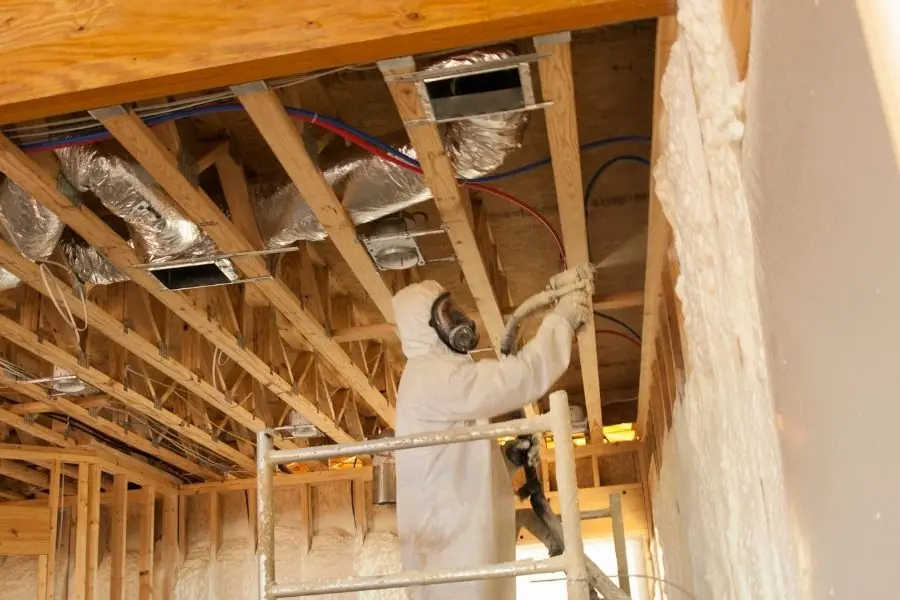
Understanding Crawl Space Insulation
A crawl space is the shallow, unfinished area between the ground and the first floor of a raised-foundation home. These spaces typically range from 18 inches to 4 feet in height — just enough for a technician to crawl through for inspection and maintenance, hence the name. Insulating this area is a foundational element of whole-home energy efficiency and indoor comfort.
Historically, crawl spaces in Southern California were left uninsulated or were treated as an afterthought during construction. Homes built during the post-World War II building boom of the late 1940s and 1950s — a period that dramatically shaped Hawthorne’s residential landscape — were often constructed with minimal insulation standards, reflecting the mild climate assumptions of the era. Over the decades, those assumptions have proven costly. California’s Title 24 energy code now mandates specific insulation values for floors over unconditioned spaces, including crawl areas, requiring a minimum R-19 in most South Bay jurisdictions.
Crawl space insulation serves multiple functions simultaneously. First, it acts as a thermal barrier, preventing conditioned indoor air from escaping through the floor and stopping cold or warm air from rising from the ground. Second, when combined with a vapor barrier or encapsulation membrane, it blocks ground moisture from migrating upward into floor joists, subfloor sheathing, and interior flooring. Third, properly sealed crawl space insulation reduces pathways for rodents, insects, and allergens to enter the living space from below — a significant concern in Hawthorne’s urban environment.
In Hawthorne specifically, the prevalence of raised-foundation homes — particularly in neighborhoods like Holly Glen and the streets west of Crenshaw Boulevard — means that a large percentage of the housing stock relies on crawl space conditions for floor comfort and air quality. Slab-on-grade construction, common in newer developments, does not have a crawl space, but the majority of Hawthorne’s single-family homes predate this construction style. Understanding whether your home has a ventilated or unventilated crawl space design is the first step in selecting the right insulation approach, and it is an assessment our team conducts during every initial inspection.
Why Crawl Space Insulation Is Needed in Hawthorne, CA
Marine Layer Humidity and Ground Moisture
Located approximately 4 miles from the Pacific Ocean, Hawthorne experiences regular marine layer influence, particularly from May through September during what locals call “June Gloom.” Relative humidity in Hawthorne frequently climbs above 80% during overnight and morning hours, with the National Weather Service recording average overnight humidity levels between 75–85% throughout the coastal months. This persistent moisture infiltrates unprotected crawl spaces through foundation vents and bare soil floors, raising crawl space humidity to levels that promote wood rot, mold growth, and pest harborage. Ground moisture readings in unencapsulated Hawthorne crawl spaces commonly exceed 70% relative humidity — well above the 50% threshold at which mold colonies begin to establish on wood substrates.
Alluvial Soil Composition
Hawthorne sits on the Dominguez Hills alluvial plain, a soil profile composed largely of sandy loam and silty alluvial deposits carried historically by the Los Angeles River system. These well-drained but moisture-retaining soils allow capillary moisture rise during and after precipitation events. The El Niño-driven rainfall seasons of 2022–2023, which brought over 20 inches of rain to Los Angeles County between October and April, saturated local soils and caused widespread moisture problems in crawl spaces throughout Hawthorne’s older neighborhoods, particularly in the Bodger Park and Ramona neighborhoods where many homes sit on post-1945 raised foundations.
Seismic Retrofitting Interactions
Following the 1994 Northridge earthquake, which measured 6.7 Mw and caused significant structural damage across the South Bay, many Hawthorne homeowners undertook cripple-wall bracing and foundation bolting under California’s soft-story and seismic retrofit programs. These retrofit activities frequently disturbed existing crawl space insulation — dislodging aged fiberglass batts, damaging vapor barriers, and creating new air gaps in the floor assembly. Homes retrofitted between 1995 and 2005 without subsequent insulation inspection are among the most likely to have compromised crawl space conditions today.
Urban Heat and HVAC Load
Hawthorne’s urban density contributes to localized heat island effects, with summer temperatures in paved, low-canopy neighborhoods along Prairie Avenue and Hawthorne Boulevard regularly exceeding surrounding areas by 4–7°F. Without adequate crawl space insulation, HVAC systems must compensate for thermal transfer through uninsulated floors, increasing cooling loads and energy costs. Studies by the California Energy Commission indicate that properly insulated crawl spaces can reduce floor-area heat gain by 15–25% in South Bay homes during peak summer months.
Aging Housing Stock
Over 60% of Hawthorne’s residential buildings were constructed before 1970, according to Los Angeles County assessor data. Insulation installed in these homes — where any was installed at all — has exceeded its functional lifespan. Fiberglass batt insulation in crawl spaces has an effective service life of 15–25 years under average conditions; in Hawthorne’s humid coastal environment, degradation occurs faster, with batts sagging, collecting moisture, and losing R-value well before that window closes.
Free, no-obligation estimates
Talk to Armour Hawthorne Insulation
Tell us what you need and we’ll take it from there.
Signs You Need Crawl Space Insulation in Hawthorne
Temperature and Comfort Symptoms
- Floors that feel noticeably cold in winter or warm in summer, particularly in rooms over the crawl space
- Uneven room temperatures throughout the home despite a functioning HVAC system
- Higher-than-expected energy bills during summer cooling season (June–September in Hawthorne)
- HVAC system cycling on more frequently than normal to maintain set temperatures
Moisture and Air Quality Symptoms
- Musty or earthy odors emanating from floor vents, carpeting, or lower cabinets
- Visible condensation on windows at floor level, particularly during marine layer mornings
- Allergy or respiratory symptoms worsening at home, suggesting mold spore infiltration from below
- Warping, buckling, or soft spots in hardwood or laminate flooring
Structural and Pest Indicators
- Evidence of rodent activity — droppings, nesting materials, or chewed insulation — discovered during visual inspection
- Sagging or fallen fiberglass batts visible through crawl space access hatch
- Torn, punctured, or missing vapor barrier sheeting on the crawl space floor
- Wood discoloration, soft joists, or visible mold growth on framing members
Urgency Note: Musty odors combined with soft flooring represent an urgent condition requiring immediate professional inspection, as active wood decay may be underway.
Crawl Space Insulation Methods and Approaches
Fiberglass Batt Insulation
The most common method for ventilated crawl spaces with standard floor-joist spacing (16 or 24 inches on center). Fiberglass batts are installed between joists and held in place with friction fit or insulation support rods. R-19 (approximately 6 inches thick) is the minimum recommended value for Hawthorne’s Climate Zone 10 designation under California Title 24. Batts are cost-effective and widely available, making them suitable for large, straightforward crawl spaces in Hawthorne’s tract-home neighborhoods. Learn more about Fiberglass Insulation
Spray Foam Insulation
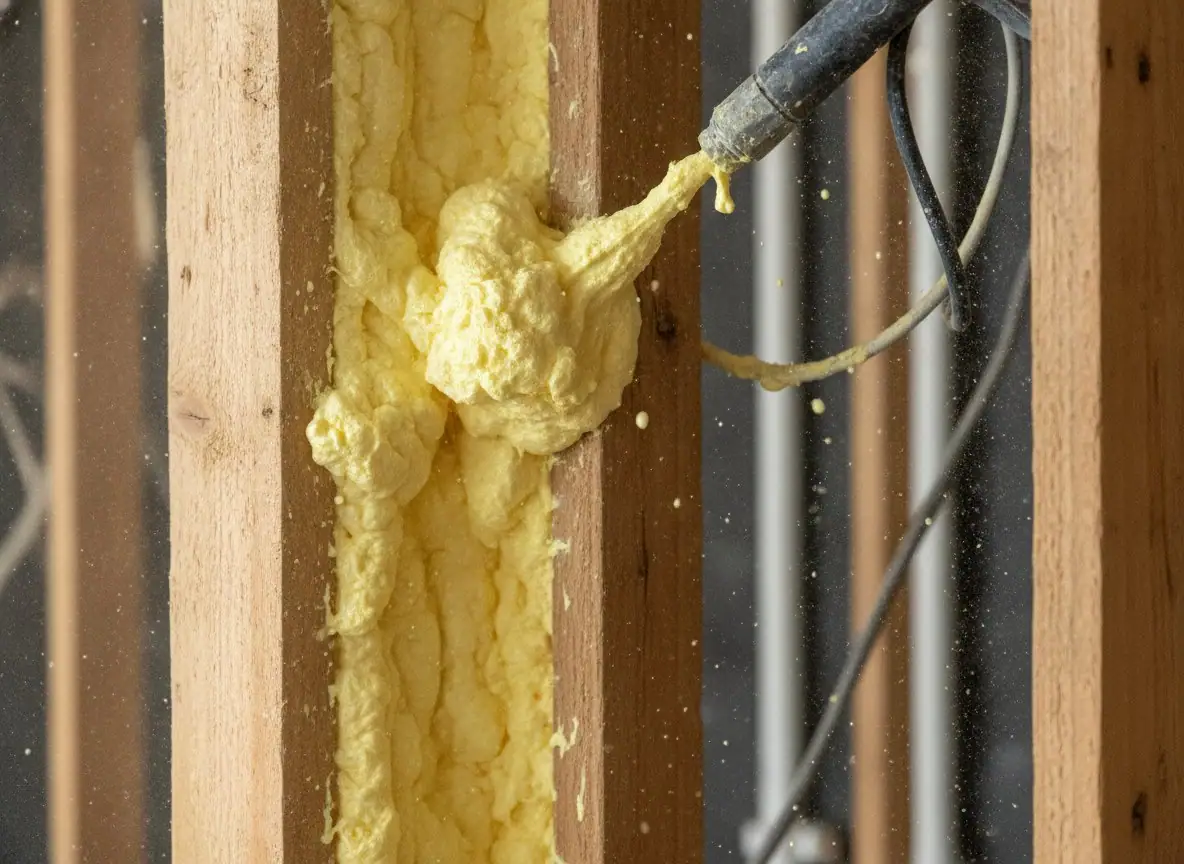
Closed-cell spray polyurethane foam is the premium solution for crawl spaces requiring both thermal insulation and air sealing in a single application. Spray foam is applied directly to the underside of the subfloor and along foundation walls, achieving R-values of R-6 to R-7 per inch. It is ideal for Hawthorne homes with irregular joist spacing, significant air infiltration issues, or where moisture control is a primary concern. Closed-cell foam also adds structural rigidity to floor assemblies. Learn more about Spray Foam Insulation
Learn moreBlown-In Insulation
Loose-fill cellulose or fiberglass blown into enclosed floor cavities suits retrofit situations where access is limited or joist bays are irregularly shaped. This method is less common in crawl spaces but applicable in certain Hawthorne homes where floor cavities are blocked or enclosed. Learn more about Blown-In Insulation
Full Crawl Space Encapsulation
For Hawthorne homes with persistent moisture problems — particularly those in lower-lying areas near the Dominguez Channel corridor — full encapsulation combines a heavy-duty vapor barrier, sealed foundation vents, conditioned air supply, and wall-applied spray foam to convert the crawl space into a semi-conditioned environment. This approach eliminates ground moisture entirely and provides the highest level of protection against the South Bay’s marine layer humidity.
Learn moreCrawl Space Insulation Cost in Hawthorne, CA
Understanding the cost of crawl space insulation helps Hawthorne homeowners budget accurately and compare proposals. Costs vary based on crawl space size, insulation method, existing conditions, and access difficulty.
Typical Price Ranges
- Fiberglass Batt Insulation (R-19 to R-30): $1.50–$3.00 per square foot installed. A 1,000 sq ft crawl space typically costs $1,500–$3,000.
- Spray Foam Insulation: $3.00–$7.00 per square foot installed, depending on thickness and whether open- or closed-cell foam is used. A 1,000 sq ft application ranges from $3,000–$7,000.
- Blown-In Insulation: $2.00–$4.00 per square foot installed, typically $2,000–$4,000 for an average Hawthorne crawl space.
- Full Encapsulation: $5,000–$15,000 depending on crawl space size, vapor barrier grade, and whether mechanical conditioning is included.
- Old Insulation Removal: $1.00–$2.00 per square foot, or $500–$2,000 for most Hawthorne homes, if required prior to new installation.
Read moreShow less
Cost Factors Specific to Hawthorne
Several local factors influence pricing in Hawthorne. Homes in Bodger Park and Holly Glen with low-clearance crawl spaces (under 24 inches) require additional labor time, adding $200–$600 to installation costs. Extensive rodent remediation prior to insulation can add $300–$1,500. Homes near the Dominguez Channel with high soil moisture may require upgraded vapor barrier materials (20-mil versus standard 6-mil), adding $300–$800.
Available Incentives
Southern California Edison and SoCalGas both offer rebates for qualifying insulation upgrades in Hawthorne, which falls within their service territories. Rebates for floor insulation upgrades can range from $0.10–$0.20 per square foot, and we assist clients in identifying applicable programs during the proposal phase. Call 424-487-4483 for a detailed, itemized estimate.
Crawl Space Insulation Services Across Hawthorne Neighborhoods
Bodger Park
Situated in the northeastern section of Hawthorne, Bodger Park features primarily post-war bungalows and ranch homes built between 1945 and 1960. These homes frequently have original foundation vents and degraded vapor barriers. The neighborhood’s proximity to the 105 Freeway corridor contributes to particulate infiltration through open crawl space vents, making air sealing a priority alongside insulation upgrades.
Holly Glen
Holly Glen’s mid-century tract homes, many built in the 1950s and 1960s, commonly feature raised foundations with floor-joist crawl spaces measuring 18–30 inches in height. Many Holly Glen homes underwent seismic retrofitting after 1994, and insulation inspection following those retrofits is frequently deferred. We regularly service this neighborhood for post-retrofit insulation restoration.
Ramona Neighborhood
The Ramona area in central Hawthorne includes a mix of 1940s–1960s residential properties with older raised-foundation construction. Ground moisture issues from the alluvial soil profile are common here, and many homes benefit from vapor barrier upgrades combined with new R-19 fiberglass or spray foam insulation.
North Hawthorne (near Hawthorne Boulevard Corridor)
Homes along and adjacent to the Hawthorne Boulevard corridor in the northern section of the city tend to be among the oldest in Hawthorne’s housing stock, some dating to the 1930s. Crawl spaces in these homes often feature original, non-reinforced vapor barriers or no vapor barrier at all, presenting significant moisture and air quality risks.
Crawl Space Insulation Maintenance Tips for Hawthorne Homeowners
- Inspect Your Crawl Space Annually: Schedule a visual check every 12 months, ideally in late spring after the rainy season, to catch moisture accumulation, pest intrusion, or insulation displacement early.
- Monitor Foundation Vent Screens: Hawthorne’s urban environment means foundation vent screens can become clogged with debris or damaged by rodents. Check and replace screens each fall before the rainy season begins in October.
- Check Vapor Barrier Integrity: After any plumbing or pest control work in the crawl space, visually confirm that the vapor barrier has not been torn or folded back. Even small gaps allow significant moisture migration in Hawthorne’s marine layer climate.
- Maintain Proper Drainage Around Foundation: Ensure soil grading slopes away from your home’s foundation. After heavy El Niño rain events, check that no standing water pools against the foundation perimeter.
- Address Plumbing Leaks Promptly: Water supply or drain line leaks in the crawl space can saturate insulation within days. Any signs of water staining on joists or insulation require immediate investigation.
- Keep Access Hatches Sealed: Crawl space access doors should be weatherstripped and latched securely to prevent both pest entry and conditioned air loss.
- Recheck Insulation After Seismic Events: Even minor earthquakes (above M3.0) can dislodge friction-fit batt insulation. After any felt seismic activity, a brief inspection of accessible crawl space areas is a prudent precaution for Hawthorne homeowners.
Why Choose Armour Hawthorne Insulation
Armour Hawthorne Insulation is a professional insulation contractor serving Hawthorne and the surrounding South Bay communities. We focus exclusively on insulation and related services — including Attic Insulation, Attic Cleaning, Rodent Proofing, and Crawl Space Insulation — which means our technicians develop deep expertise in the specific challenges posed by local building types and climate conditions.
We understand the housing stock of Hawthorne’s neighborhoods intimately — the post-war raised foundations of Bodger Park, the retrofit-era homes of Holly Glen, and the older bungalows along the Hawthorne Boulevard corridor. We bring that local knowledge to every project, selecting materials and methods matched to your specific home rather than applying a one-size-fits-all solution.
Read moreShow less
Our team provides transparent, itemized estimates before any work begins. We communicate clearly about what we find in your crawl space, what we recommend, and why. We also assist clients in identifying Southern California Edison and SoCalGas rebate programs that may offset project costs. When you contact Armour Hawthorne Insulation, you reach a team that is invested in delivering lasting results for homes in this community. Call 424-487-4483 to schedule your free crawl space assessment.
FAQ
Frequently Asked Questions About Crawl Space Insulation in Hawthorne, CA
How much does crawl space insulation cost in Hawthorne, CA?
Costs in Hawthorne typically range from $1,500–$7,000 for standard insulation projects, depending on the square footage of your crawl space and the insulation method selected. Fiberglass batt installations at R-19 are at the lower end of this range, while spray foam or full encapsulation projects can exceed $7,000 for larger homes. Southern California Edison and SoCalGas rebates may reduce your out-of-pocket cost. Contact us at 424-487-4483 for a free, no-obligation estimate specific to your property.
How long does crawl space insulation installation take in Hawthorne?
Most standard crawl space insulation projects in Hawthorne — including removal of old material and installation of new fiberglass batts — are completed in one day. Full encapsulation projects may require two to three days depending on crawl space size, access conditions, and moisture remediation requirements. We confirm the estimated timeline in writing before starting any project.
What R-value is required for crawl space insulation in Hawthorne?
Hawthorne falls within California Climate Zone 10 under Title 24 energy standards. The minimum required R-value for floor insulation over an unconditioned crawl space is R-19. Many energy efficiency experts recommend R-25 to R-30 for optimal performance in the South Bay’s marine-influenced climate, where nighttime temperatures and humidity can both transfer thermal energy through the floor assembly.
Does Hawthorne’s marine layer really affect my crawl space?
Yes, significantly. The marine layer that affects Hawthorne from May through September regularly drives overnight relative humidity above 80%. Without a properly sealed vapor barrier and insulation system, this moisture infiltrates crawl spaces, raising humidity levels that promote mold growth, wood rot, and pest harborage. Homes within Hawthorne’s western neighborhoods, closer to the coastline, experience even greater marine layer influence than those on the eastern edge of the city.
Should I seal my foundation vents or leave them open?
This depends on your crawl space design and moisture conditions. Traditional ventilated crawl spaces rely on cross-ventilation through foundation vents to remove moisture-laden air. However, in Hawthorne’s coastal climate, outdoor air is often more humid than crawl space air during marine layer months, meaning open vents can introduce rather than remove moisture. An unventilated (encapsulated) crawl space strategy — where vents are sealed and the space is conditioned — is often more effective for Hawthorne homes with persistent moisture problems. We assess this question specifically during our initial inspection.
My home was seismically retrofitted after the Northridge earthquake. Should I have my crawl space inspected?
Absolutely. Seismic retrofit work performed in the mid-1990s through early 2000s frequently disturbed existing crawl space insulation and vapor barriers. If your Hawthorne home was retrofitted during that period and the crawl space has not been professionally inspected since, there is a significant likelihood that insulation has been displaced or moisture protection compromised. We recommend scheduling an inspection to evaluate current conditions and address any deficiencies.
Can I insulate my crawl space myself?
While DIY fiberglass batt installation is technically possible, crawl spaces in older Hawthorne homes frequently present complicating factors — low clearance, mold contamination, pest evidence, deteriorated vapor barriers, and inadequate joist spacing — that make professional assessment and installation strongly advisable. Improperly installed insulation can trap moisture against wood framing, accelerating the decay it is meant to prevent. Professional installation also ensures Title 24 compliance, which is required for permitted renovation projects.
Do you serve areas near Hawthorne?
Armour Hawthorne Insulation is focused on serving the Hawthorne community. For questions about service availability for your specific address, call us directly at 424-487-4483 and our team will confirm whether we can assist you.
Get Your Free Crawl Space Insulation Estimate in Hawthorne, CA
If your Hawthorne home has an aging crawl space, rising energy bills, musty odors, or you simply haven’t had an inspection since your seismic retrofit, now is the time to act. The marine layer humidity, alluvial soils, and older housing stock throughout Hawthorne make crawl space insulation one of the highest-return home improvement investments you can make — for comfort, air quality, and energy efficiency.
Armour Hawthorne Insulation provides free, no-obligation crawl space assessments throughout Hawthorne. Our technicians will enter your crawl space, evaluate existing conditions, document what we find, and provide you with a transparent, itemized proposal — with no pressure and no surprises.
Call us today at 424-487-4483 to schedule your free inspection. Protect your home from the ground up — with Armour Hawthorne Insulation.
Get in touch
Find insulation help near you
Request a free estimate online or give us a call — our team will follow up quickly.
- Call us(424) 487-4483
- Visit3355 W El Segundo Blvd, Hawthorne, CA 90250
- HoursMo-Su 07:00-19:00